How to build real relationships at events—and turn brief conversations into long-term connections
In-person networking has a reputation problem.
For a lot of business owners, the word “networking” immediately brings up images of forced small talk, awkward introductions, and leaving an event with a stack of business cards you’ll never look at again. Even confident founders can feel unsure about how to show up in a room without feeling performative or transactional.
But here’s what I’ve learned after years of attending conferences, hosting events, and building a business that is deeply relationship-driven:
The people who build the strongest networks are not the loudest or the most polished. They are the most intentional.
They understand how to make others feel comfortable.
They know how to create a sense of familiarity quickly.
And they follow up in ways that feel human, thoughtful, and memorable.
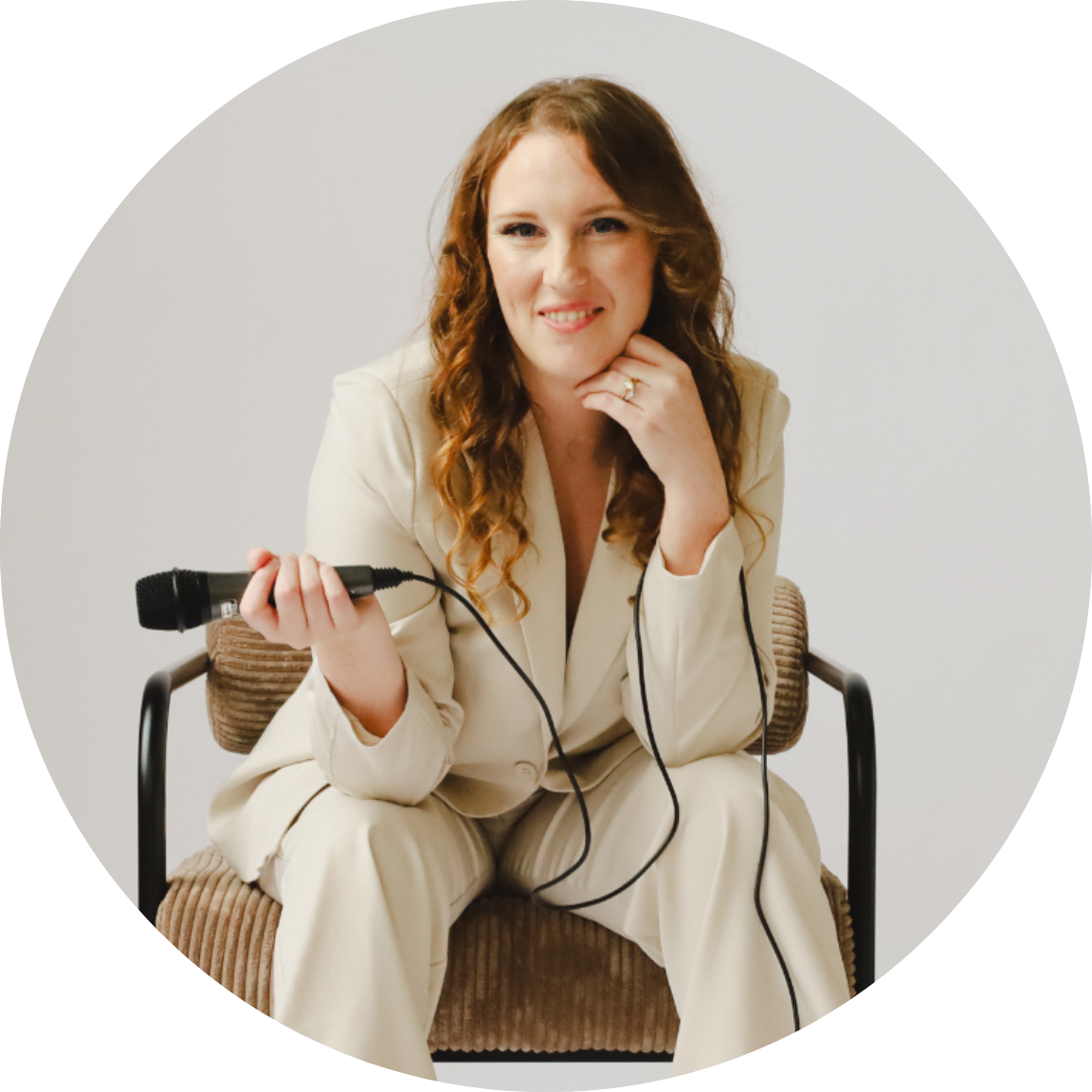
This post is a deep dive into the strategies I (Taylor, The Power Table founder) personally use to network in person that actually lead to real relationships. These are not complicated tactics, and they do not require you to be “on” all the time. They are subtle, practical choices that make it easier for people to remember you—and want to stay connected.
Why First Impressions Matter More Than You Think
When you walk into a room full of people you don’t know, most of the decisions about who feels approachable happen quickly and subconsciously. This doesn’t mean you need to be perfectly styled or overly confident. It means that small signals—how you present yourself, how you enter conversations, and how you speak to people—shape the experience for everyone involved.
The goal is not to impress.
The goal is to make connection easy.
Strategy #1 Wear Colors That Make You Approachable
What you wear to an event isn’t about trying to stand out or make some kind of statement—it’s about making yourself easy to approach.
Here’s the simple rule: skip the gray and black.
Those colors tend to blend into the room and can read more closed-off, even if that’s not your intention.
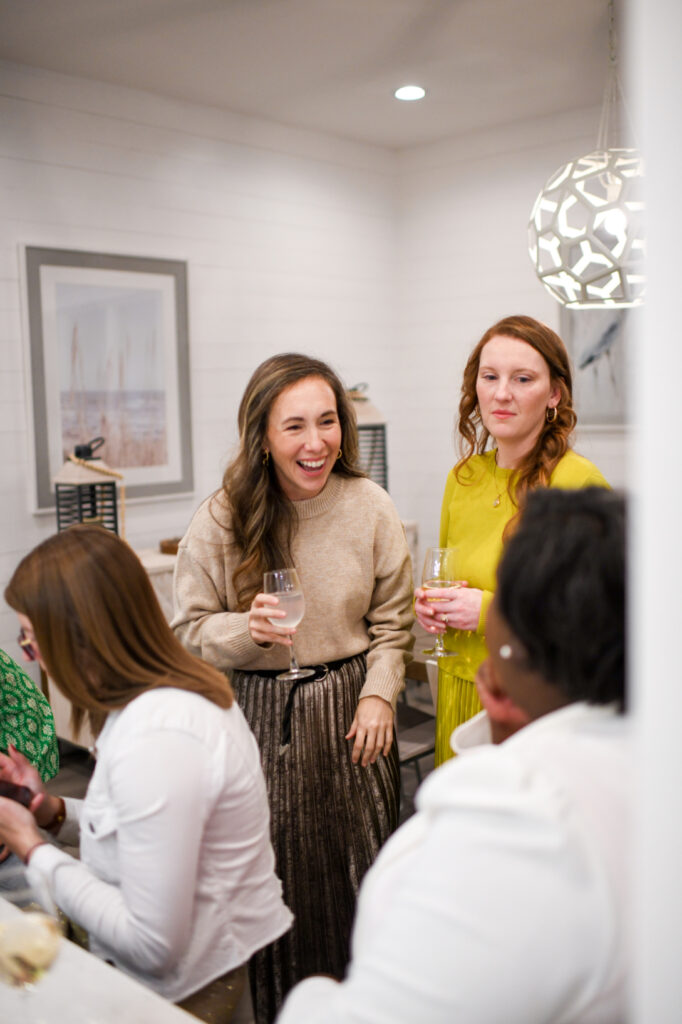
Warm, bright colors like pink, red, coral, or orange naturally feel more open and friendly. In a room where most people are playing it safe with neutrals, wearing color makes it easier for someone to spot you and think, “She feels easy to talk to.”
And yes—this really does matter. When people are scanning a room deciding who to walk up to, they’re making quick, subconscious choices. Visual cues play a bigger role than we like to admit. A pop of color can do some of the social heavy lifting for you before you even say hello.
This doesn’t mean wearing something that doesn’t feel like you. No costumes. No forcing a vibe that isn’t yours. Just choose something that still feels on-brand for you—but brighter. Something that signals warmth, energy, and openness instead of blending into the background.
Sometimes the easiest way to start better conversations is before the conversations even begin.
Strategy #2 Open Conversations with Genuine Compliments
One of the easiest ways to lower the barrier in a conversation is to start with something kind and specific.
Compliments work because they immediately shift the dynamic from evaluation to appreciation. They also show that you are paying attention, which is rare and meaningful in busy rooms.
This does not need to be elaborate. A simple observation is enough:
- A thoughtful question they asked during a session
- A distinctive piece of clothing or accessory
- The way they articulated an idea
When you lead with warmth, people relax. They stop bracing for a pitch. The conversation becomes about connection instead of performance.
Strategy #3 Be Intentional About Who You Approach in the Room – Avoid the Wallflowers
A really common instinct at networking events is to look for the person standing alone and think, “I’ll go talk to them so they don’t feel awkward.” And while that’s well-intentioned, it’s usually not your best move if your goal is to walk away with strong, high-quality connections.
Here’s the honest truth: don’t default to the wallflowers.
Not because there’s anything wrong with them—but because those interactions often turn into tentative, overly polite conversations where neither person is fully grounded or confident yet. When both people feel unsure, the energy stays flat, and the conversation rarely goes anywhere memorable.
If you want conversations that flow more naturally, look for small groups standing in open circles. These groups already have momentum. The social energy is established, which makes it easier to step in and contribute without carrying the full weight of starting the interaction from zero.
Joining a group also gives you instant context. You can listen for a moment, respond to what’s already being discussed, and let the conversation build organically. That’s often where the most interesting connections happen—because you’re entering a shared moment instead of creating one from scratch.
And no, you don’t need a clever or polished line to do this. A calm, confident “Mind if I jump in?” works beautifully. In professional environments, people expect others to join conversations. Most are more than happy to make space, especially when you enter with ease instead of apology.
This isn’t about being unkind or exclusive. It’s about being strategic with your energy. If you’re attending an event with the intention of building meaningful relationships, collaborations, or opportunities, choosing environments where conversation is already flowing will give you a much better return.
You can still be warm. You can still be generous. Just be intentional about where you step in—and who you invest your energy with.
Strategy #4 Ask Questions That Invite Real Answers
The question “What do you do?” is not wrong, but it often leads to rehearsed responses and elevator pitches that don’t tell you much about the person.
More open-ended questions create space for conversation to unfold naturally. Asking what someone is working on, what brought them to the event, or what they’ve enjoyed most so far invites reflection instead of repetition.
Curiosity is one of the most effective networking tools there is. When someone feels genuinely listened to, they remember the interaction differently. They are more likely to associate you with ease, interest, and respect.
Strategy #5 Take Photos When It Feels Natural
Photos are often overlooked as a networking tool, but they are incredibly useful when done casually and appropriately.
A quick selfie or group photo helps anchor the memory of the interaction. It also creates an easy, natural reason to follow up later. You can DM the photo you took directly to that person with a follow up message, “It was great to meet you today at X event!”
The key is timing. This works best when there is already a sense of rapport, not as an opening move. When the moment feels right, suggesting a quick photo can feel fun rather than forced.
Strategy #6 Skip Business Cards and Exchange Social Profiles
Business cards are easy to lose and hard to contextualize. Instead, I prefer exchanging Instagram or LinkedIn profiles.
When I meet someone, I’ll ask for their social profile and take a screenshot on my phone. This gives me:
- Their name
- Their face
- Context for where we met
- A clear follow-up path
The screenshot also includes a timestamp, which helps me remember the moment later. This small habit makes same-day follow-up far more likely—and far more personal.
Bringing It Together: How You Show Up in the Room Matters
At the end of the day, successful networking isn’t about working the room or saying the perfect thing. It’s about how you enter spaces, how you make others feel, and how intentionally you place your energy.
Small choices—what you wear, who you approach, how you open a conversation—shape the quality of the connections you walk away with. When you lead with warmth, confidence, and presence instead of pressure, networking stops feeling awkward and starts feeling natural.
And here’s the part most people miss: the right room makes all of this easier.
If you want to practice these strategies in a space designed for real conversation—not forced small talk—this is exactly why we created Power Table LIVE. It’s a room where connection is built into the experience, where the energy is open, and where you’re surrounded by women who actually want to talk, collaborate, and grow together.
If you’re ready to stop guessing how to network and start building relationships that actually move your business forward, I’d love to see you in the room.
Come get in the room with us at The Power Table LIVE in April!