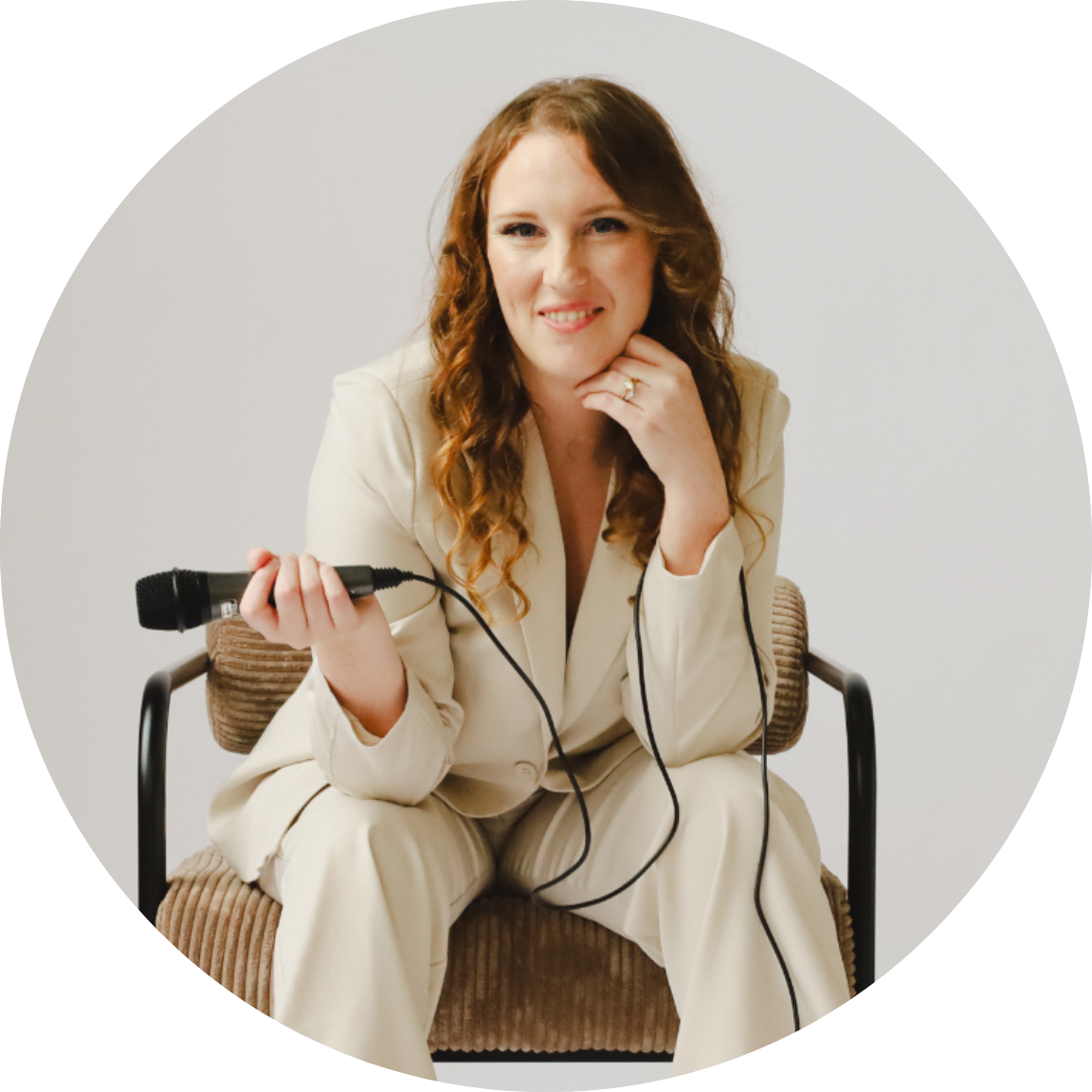
By Lauren Najar, Founder and Business Coach
Lauren is a 2026 Power Table 100 Community Builder Award winner — recognized for her work in creating thoughtful and high impact community spaces for women in business in the Midwest and beyond.
For a long time, I thought business growth meant reaching more people. This meant focusing on more followers, more content, more of everything.
One day something clicked, and it was that my biggest opportunities in my business did not come from doing more. They came from being intentional with the people already in front of me.
That realization changed the way I built my entire business. What I learned is that small rooms can create big momentum when they are built with intention. And also, I didn’t have to wait for the room to be built. I can build it myself.
In this article, I’m sharing how relationship-led growth has helped me create deeper connections, stronger opportunities, and a business that makes you feel something. You’ll learn practical ways to build your own rooms, nurture the relationships already around you, and turn meaningful connection into real business growth.
Meet the Woman Creating Small Rooms with Big Impact, Lauren Najar

Lauren Najar is a marketing and business strategist who helps women entrepreneurs grow through relationship-led marketing, intentional visibility, and strategic partnerships. Through her consulting work, community events, and Growth and Connect dinner series, she creates spaces where women founders build meaningful relationships, gain clarity, and create momentum
Lauren was named a 2026 Power Table 100 Community Builder winner.
Why this matters right now
This topic matters right now because so many of us are trying to grow businesses in an environment that constantly tells us to be more visible, more consistent, more polished, and more available.
Visibility does matter, but it should not come at a cost of your sanity and well-being.
A 2022 Capital One study found that 48% of small business owners reported experiencing burnout, with cash flow, inflation, and low sales among the biggest stressors. In my perspective, when we focus on doing more, we fail to focus on what is actually moving the needle and what is actually working. This is where intention plays a big role.
That is why relationship-led growth feels so important. People are craving trust, and with intention, there also comes a steadiness and clarity.
The opportunity is to build smarter, deeper, and more intentional relationships. I’m sharing the strategies that have helped me turn small rooms into real business opportunities: creating intentional spaces, making thoughtful introductions, following up with care, and building connection before you need it.
Create smaller rooms so people can build real trust
One of the biggest lessons I’ve learned is that the room does not have to be large to be powerful. In fact, some of the most meaningful business relationships are built in smaller, more intentional spaces. This could be an intimate dinner, a small mastermind, a coffee chat, a curated group conversation, or even a thoughtful introduction between two people who should know each other.
Small rooms can be created with safety in mind. Maybe people feel safer to open up in smaller rooms, but it also gives everyone a chance to introduce themselves and get into a real conversation.
I learned this through being a part of intimate business masterminds. When I designed my “Growth & Connect” dinner and retreats, I knew this is what I wanted. I intentionally cap the dinners because I do not want them to feel like another networking event where people collect business cards and leave. I want women to feel seen. I research who is coming, think through who should be connected to whom, and create prompts that help the conversation go deeper. What I have seen again and again is that when women feel seen and supported, they open up, and then real connection happens.
Action Step: Create one small room this month. Invite three to five people for coffee, dinner, or a virtual conversation around one clear theme.
Advanced Tip: Do not just invite people randomly. Build the relationship with the person. You still may get people who want to come, but do your due diligence and think of every single person attending and how you can make it a better experience for them.
Be intentional before anyone walks in
Time to do your homework. When you create an intentionally curated room, it means it’s time to do some work. It means paying attention to who someone is, what they are building, what they care about, and where there may be natural alignment. This is the opportunity to make your event “worth it” each and every time.
People can feel when you are paying attention. In a world where so much communication feels automated, generic, or rushed, thoughtfulness stands out. When you remember someone’s work, mention something specific they shared, or connect them to the right person, it builds trust quickly because it shows that you are creating value in the relationship.
For my dinners, I write a personalized note for each attendee. I do research before they arrive. I look at what they do, who they serve, what they are growing, and who else in the room they may need to know. It takes more time, but it completely changes the energy. People feel like they are walking into a room where someone thought about them on purpose, even if I’ve never met them in person before.
Action Step: Before your next event, coffee chat, or collaboration call, spend five minutes researching the person. Find one specific thing you can acknowledge or ask them about.
Advanced Tip: Keep a simple relationship tracker with notes on people you meet, what they are working on, and how you may be able to support them later.
Make better introductions to create more opportunity
A strong introduction is not just putting two people in the same room or sending a quick “you two should connect” message. A better introduction gives context, such as explaining why the connection makes sense, what each person brings to the table, and where there may be mutual value.
Thoughtful introductions create momentum and, honestly, it’s less awkward for the new people to meet. They help both people understand the purpose of the connection and make it easier for a real conversation to happen. They also position you as someone who pays attention, sees opportunities, and genuinely wants other people to win.
This has become one of the most important parts of how I build community. At my dinners and events, I am always looking at the guest list for alignment and thinking of who I can connect this person to. Sometimes one woman needs a service another woman provides. Sometimes two founders are in similar seasons and simply need to know they are not alone. Sometimes I simply sit someone who is quieter next to a more outgoing person, fully knowing that the quieter person will come out of their shell. I have watched relationships, referrals, and opportunities come from these introductions because they were made with (you guessed it) intention.
Action Step: Think of two people in your network who should know each other. Send an introduction today and explain the reason you are connecting them.
Advanced Tip: When making an introduction, include one sentence about each person’s work and one sentence about why the connection feels aligned.
Follow up with specificity so the relationship does not end in the room
The follow-up is where most people lose momentum. They attend the event, have the conversation, feel excited, and then let the connection fade. Relationship growth depends on what happens after the first interaction. Specific follow-up means reaching out with something personal, relevant, and tied to the conversation you actually had.
Generic follow-up feels like obligation, and we want to be more precise and specific. When someone receives a message that reflects what they shared, what they need, or what you noticed, it reinforces trust. It tells them you were listening. This also helps you be remembered.
I have seen this in my own business and with my clients. The opportunities rarely come from one interaction alone. They come from the second message, the thoughtful check-in, the introduction after the event, or the small talk to catch up. Follow-up is about continuing the relationship with intention and, of course, when it makes the most sense.
Action Step: After your next event or conversation, send three follow-up messages within 48 hours. Mention something specific from your conversation and include a simple next step when and if it makes sense.
Advanced Tip: Create a weekly relationship-building block on your calendar. Use that time to follow up, make introductions, invite people into conversations, or check in with past clients and collaborators. Be intentional with this.
A real result
One of the clearest examples of this has been my Growth & Connect dinner series. When I first started hosting intimate dinners for women founders, I was not trying to create the biggest event, and honestly was happy if 10 people showed up. I wanted to create the right room versus the number of people. I capped the guest list, researched each attendee, wrote personalized notes, created thoughtful conversation prompts, and paid attention to who needed to be connected to whom.
What happened from there proved the power of relationship building. The dinners began selling out or filling close to capacity. Women started coming back again and again. They brought friends. They sent follow-up messages about how seen and connected they felt. Business relationships, referrals, collaborations, and client opportunities came from conversations that started right at those dinners. The biggest result was the trust, and truly how quickly that trust was built. These dinners became proof that when women feel seen, they engage differently. They open up. They refer. They collaborate. They remember you. This cannot be manufactured through content alone.
Where to start
If you are brand new to relationship building, start small. It can be very easy (but also super overwhelming) to just start DMing people to chat with.
Choose one space to create or strengthen this month. It could be a dinner, coffee chat, private group conversation, or simple introduction between two people who should know each other.
Before you reach out, ask yourself:
- Who do I already know who is building something meaningful?
- Who in my network would benefit from knowing each other?
- Where am I relying on visibility when I could be building more trust?
- What kind of room do I wish existed, and how could I create a small version of it?
The first step is to pay closer attention to the people already around you. Aim for consistency. Real relationships are built one intentional touchpoint at a time, and it doesn’t have a structured timeframe.
About the Author, Lauren Najar
Lauren Najar is a marketing and business strategist who helps women entrepreneurs grow through relationship-led marketing, intentional visibility, and strategic partnerships. Through her consulting work, community events, and Growth and Connect dinner series, she creates spaces where women founders build meaningful relationships, gain clarity, and create momentum. A 2026 Power Table 100 Community Builder Award winner, you can find her at laurennajar.com or on Instagram @laurennajar.